Your house may not need more. It may need a better edit.
Start with what is already good
The fastest way to love your house again.
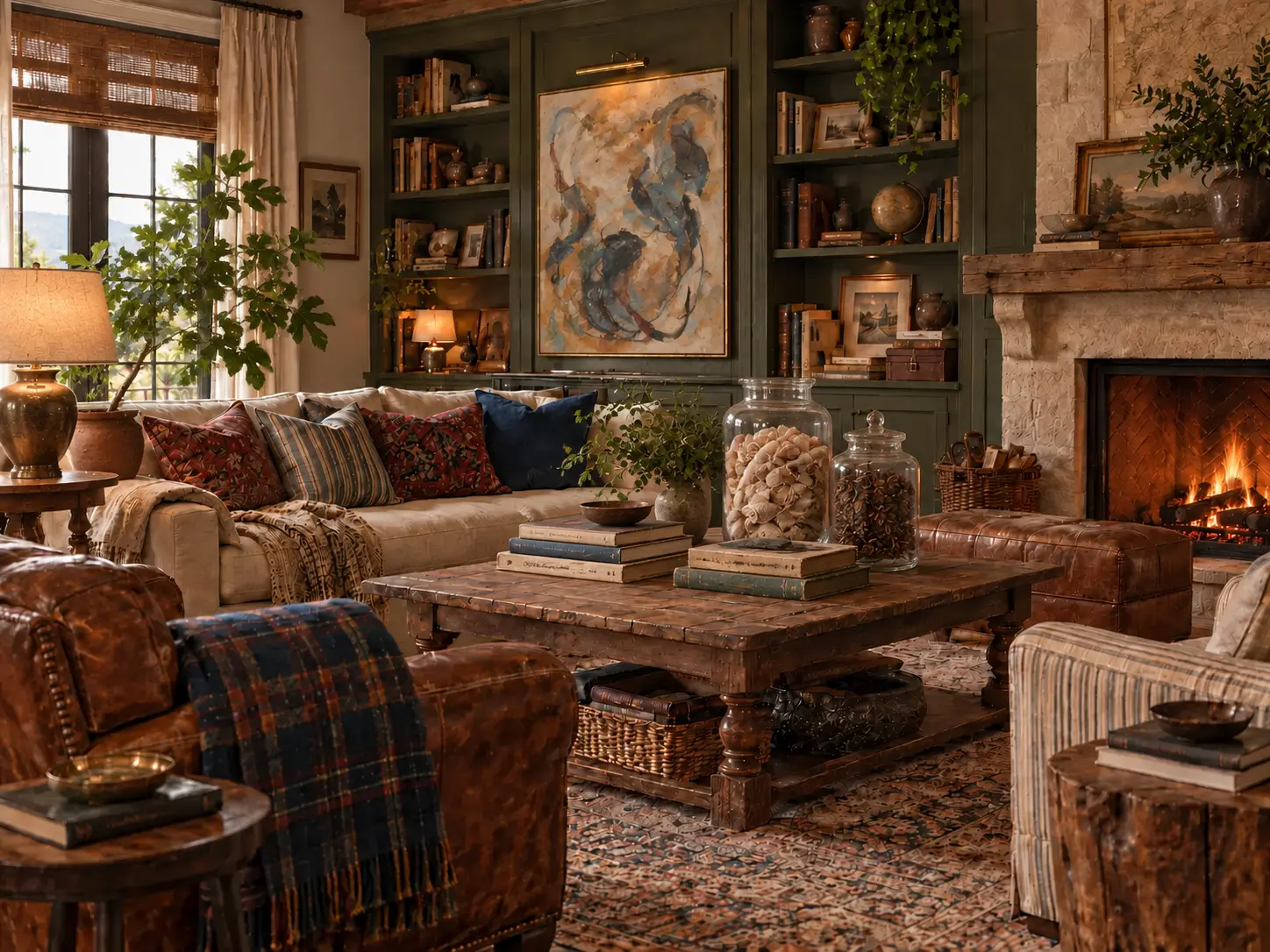
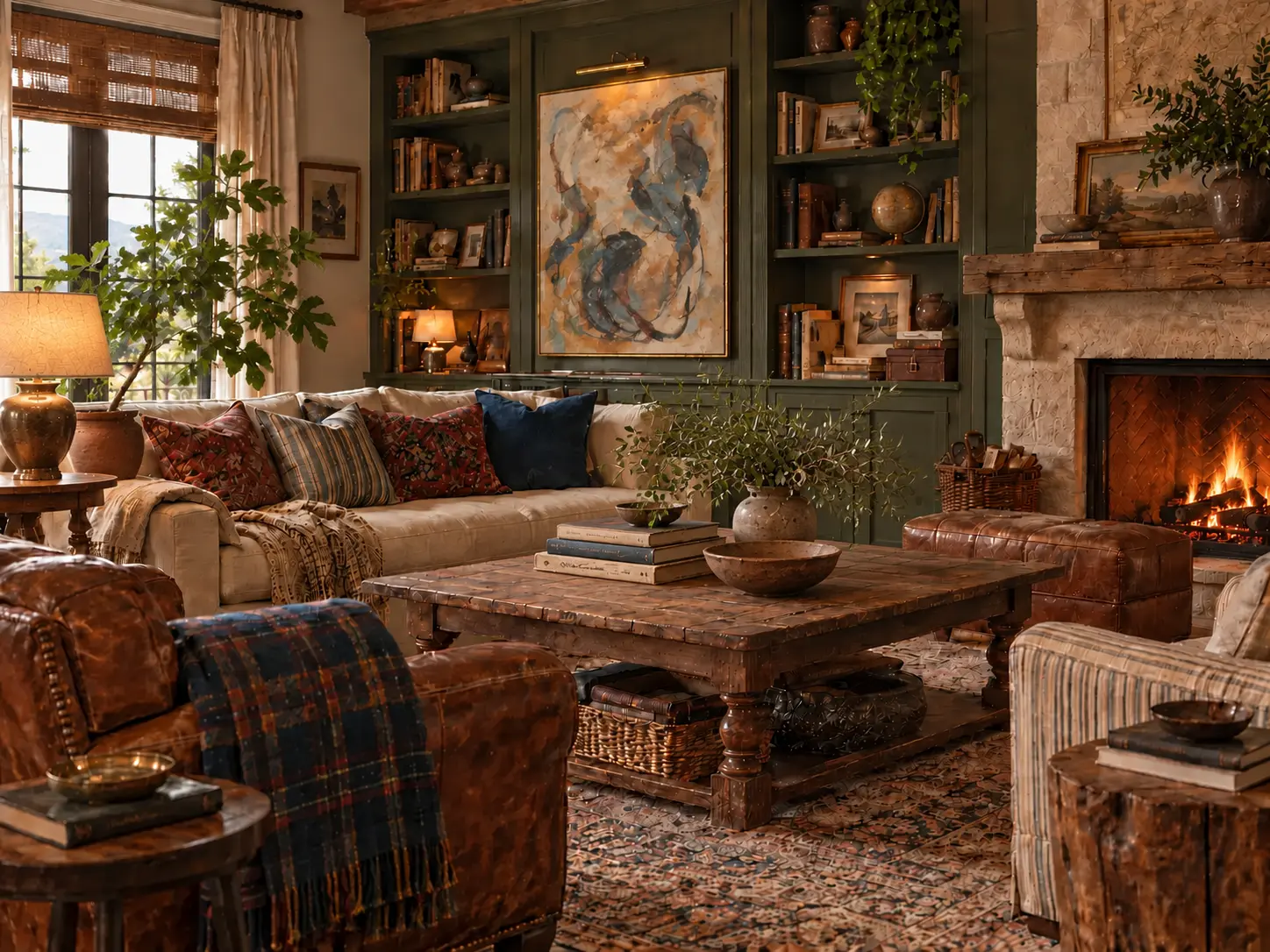
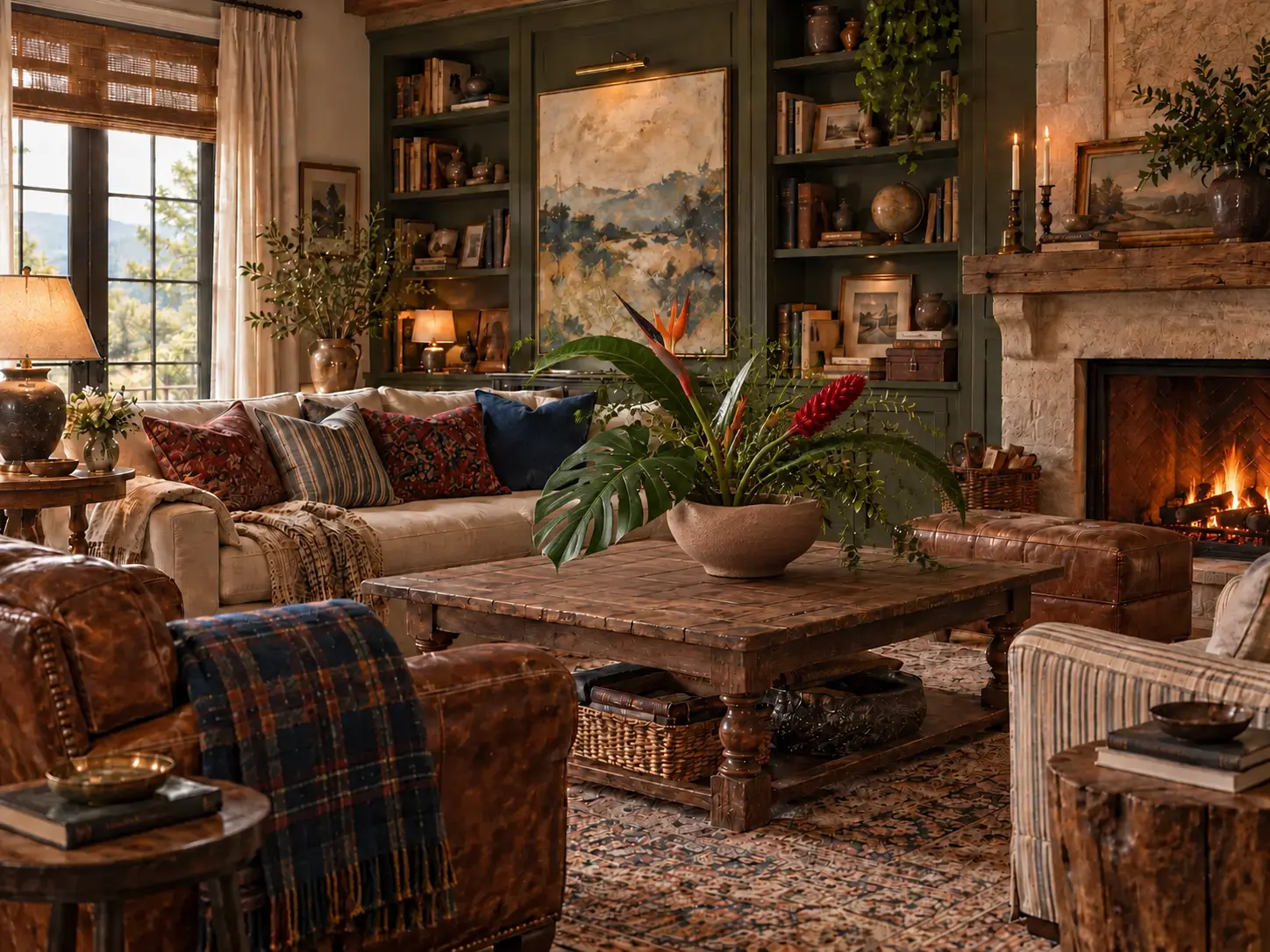
Before we source a thing, we look at scale, circulation, color, sightlines and the pieces that already hold a story. Then we move what is stuck, quiet what is competing and give the room a clear point of view—with textiles, shelving, one warm tree or a little gold when the house is asking for it.
The result is not a showroom. It is your life—better composed, easier to use and more like the people who live there. The point is not more. It is the things that make you feel known and rooted.
Four field notes for home
Bring the good life closer.
Open one small move, try it where you are, and notice the change. This is less about styling a room than making a home feel like it belongs to your actual life.
01 · Arrive
Make a landing place.
One bowl, one hook, one honest spot for the daily pile.
Try it: choose the place your hand already reaches for keys, mail or shoes, then give it one beautiful, useful home.
02 · Light
Let the lamp do the cozy work.
Trade the big overhead glare for one warm pool of light where life actually happens.
Try it: switch off one overhead light tonight and move a lamp closer to the chair, table or corner you actually use.
03 · Clear
Give the middle some air.
Clear one surface, leave one beautiful thing, and let the room take a breath.
Try it: remove three things from the busiest surface, then put back only the one object that makes you glad to see it.
04 · Carry
Keep the good story in view.
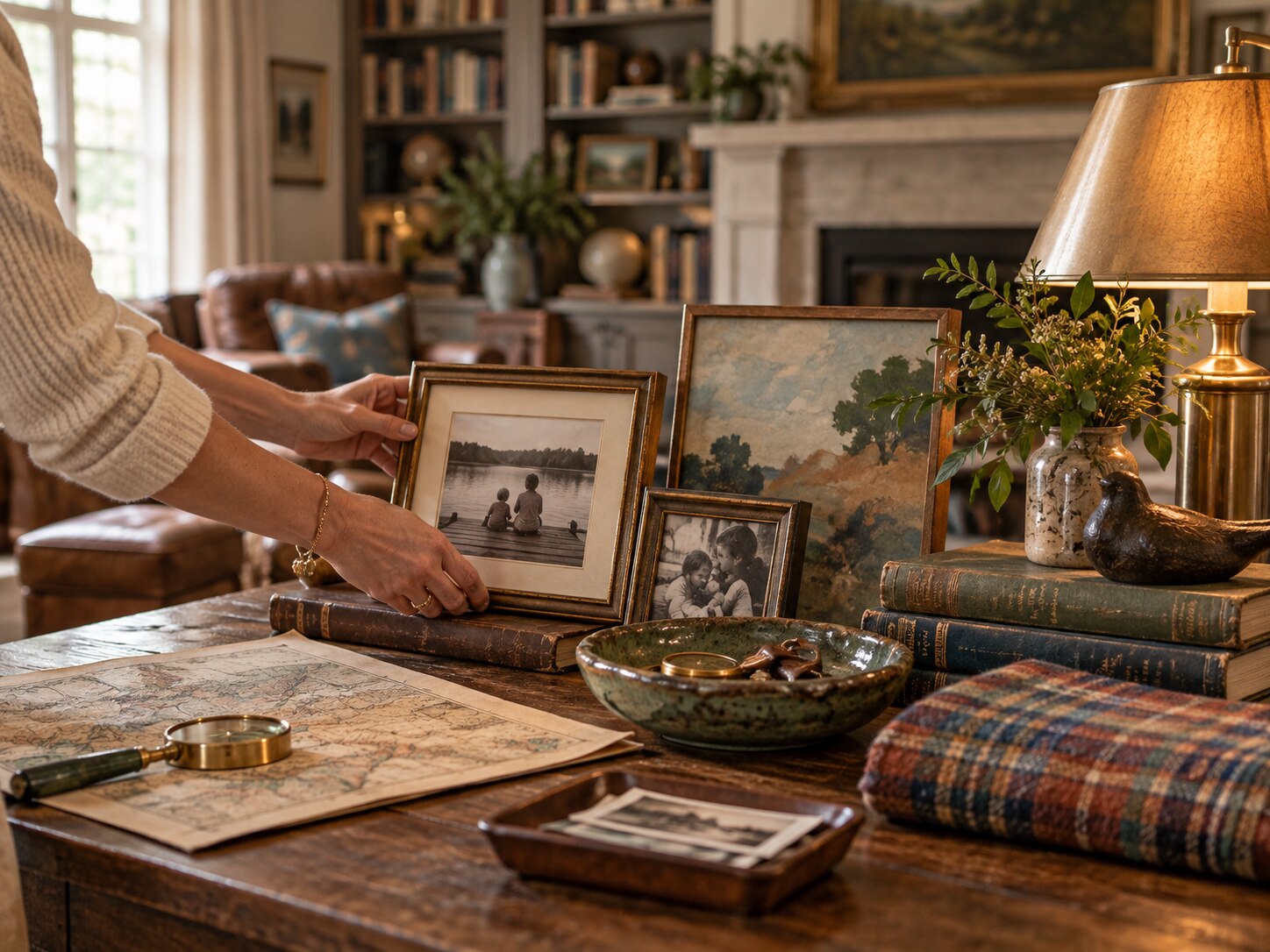
Books, a photograph, a road-worn object—put the pieces that know you where you can enjoy them.
Try it: bring one meaningful object out of storage and place it where the room can keep telling your story.
Layers worth tryingMap the memory
Maps bring color, movement and a story. Frame one from a meaningful road, hometown or trip; a big map can make a wall feel traveled without making it busy.
Let a round thing gather
Turn an old plate, shallow bowl or round found object into a tray on a dresser or cabinet. It gives small things a home, divides the surface and makes the whole moment feel intentional.
Use the odd good thing
Skip the plastic bin when a beautiful old object will do. A popcorn-tin lid, small wooden box or inherited platter can hold remotes, letters or daily pieces with more warmth and character.
Five trees · nine ways to practiceStart with the room you use most. It usually knows where to begin.
How the house comes together
Begin with the story.
01
Read the room
We notice how the room moves, where the eye lands, what feels crowded and what has quietly disappeared.
02
Follow the story
We find the family photographs, books, road finds and inherited objects that already carry the character of the people here.
03
Make room
Only then do we add the missing layer: one useful piece, the right scale, or a specialist when the project asks for more.
Every house is different. Scope, travel and fees are agreed before we begin—clear, useful and never mysterious.
House notes in progress
Carry the story home.
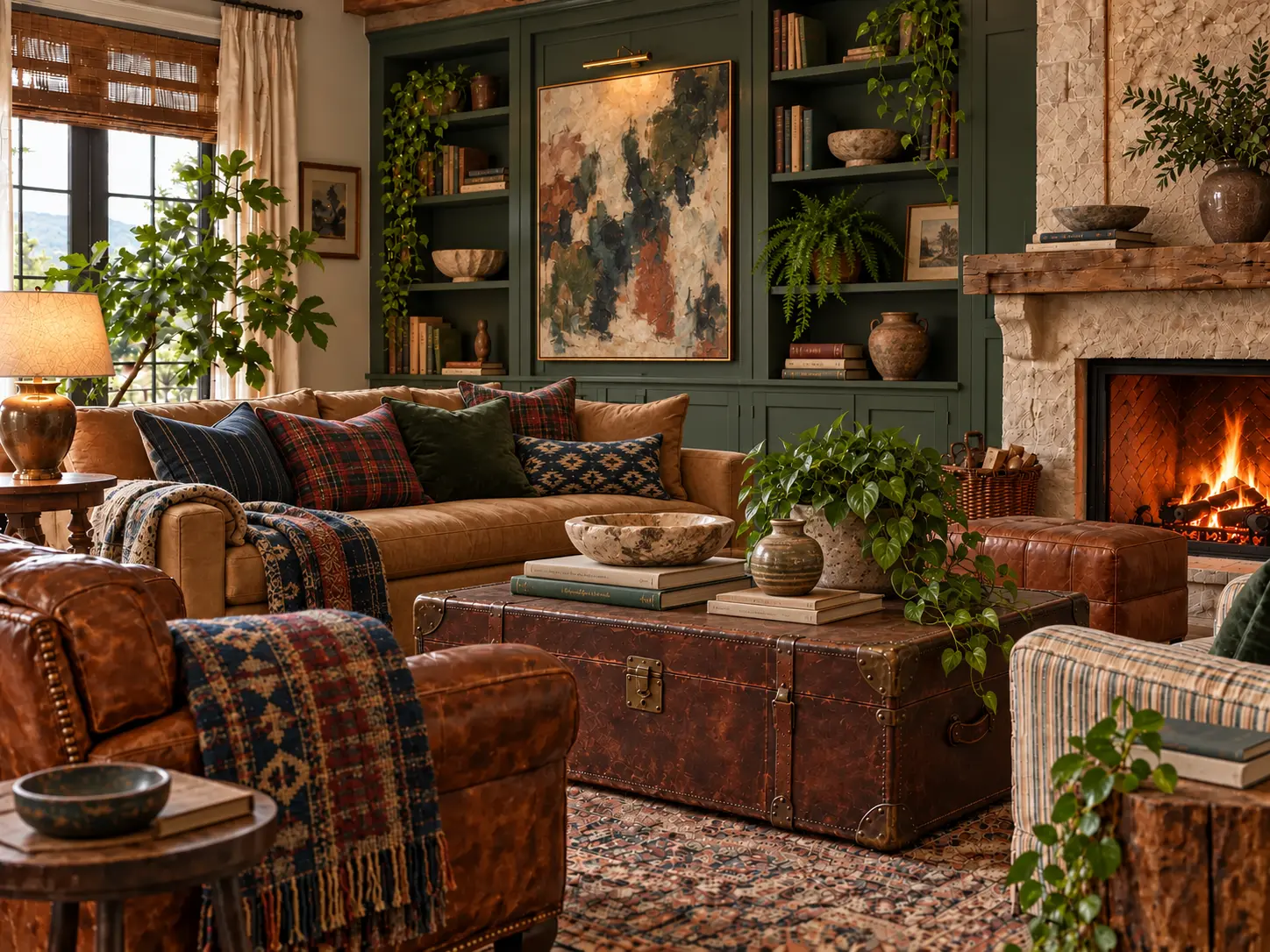
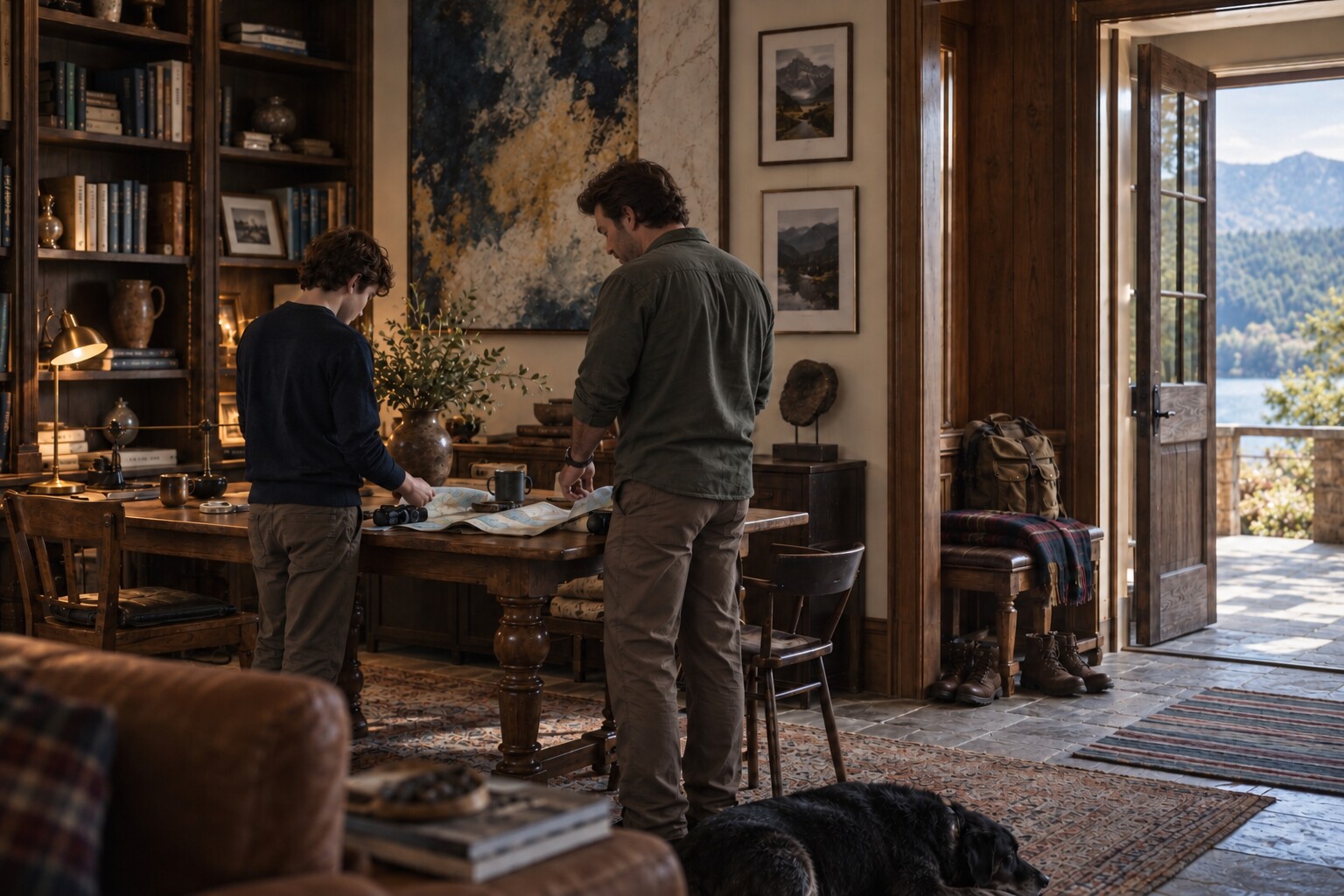
A collected house takes cues from the road, then makes them useful on a Tuesday: the travel trunk that became a table, the map that starts a conversation, the book with a bent spine, the lamp that makes a corner feel like yours.
01 · CarryA travel trunk that became the table.02 · KeepShelves that hold a family’s geography.03 · GatherA hearth with room for the ordinary night in.04 · UseA table that can hold a Tuesday—and a map.
What’s happening at the house
More life is coming in.
We’re gathering the next room stories now: shelves, mantels, bookcases and the area behind the couch—the places where a house becomes unmistakably yours.
Kids’ spaces are coming, too. Rooms for books, muddy boots, art supplies, big feelings and Tuesday afternoons. Beautiful enough to keep, sturdy enough to live in.
Coming soon · Muddy Boots + Good FruitNINE at home
Rooms that can take a life.
We’re working toward playful, practical kids’ spaces that welcome the whole day: a place to read, a place to make a glorious mess, and a place to put the boots when the adventure is over.
Book ledges + low shelvesArt that can be handledSoft landings for big feelings
No tiny showroom energy. Just beautiful, durable rooms where small people can grow into themselves.
Family pictures, good art, books with bent spines, a rug from the road, the chair everyone fights over. We keep the objects that already know you—and help the rest of the room catch up.
Useful enough for Tuesday. Beautiful enough to make you stop in the doorway.
Perichoresis · The Great DanceA watercolor we keep close.